


A fence does three jobs at once: it marks where your plot ends, it decides how much of your garden the neighbours can see, and it quietly puts up with whatever the British weather throws at it. Choose the wrong style and you will spend years either staring at next door's trampoline or replacing panels after every winter gale. Choose the right one and you stop noticing it entirely.
Closeboard: the privacy workhorse
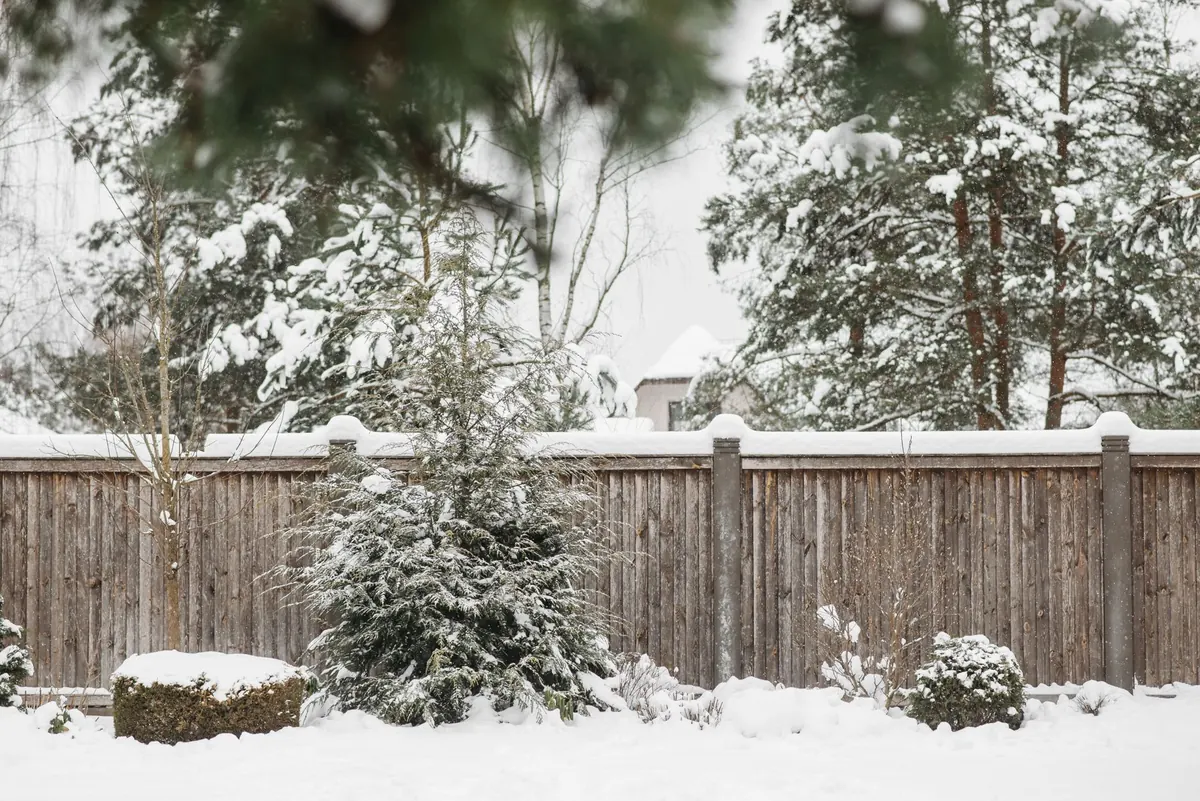
Closeboard, often sold as featherboard or vertical board, is the fence most people picture when they think of a back garden boundary. Vertical boards are nailed to horizontal rails, each board overlapping the last so there is no gap to peer through. It normally sits on a gravel board — a rot-resistant strip that keeps the timber clear of wet ground — with posts at roughly 1.8m centres.
Privacy is the best of the four styles, and so is the bill. Closeboard is the most expensive timber option because it uses more wood and more time. It also blocks wind, which cuts both ways: a solid run behaves like a sail, so the posts need to be substantial and properly set in concrete.
Panels or built on site?
Ready-made panels are quick and neat on a flat, straight run. On a slope, or where the boundary wanders, closeboard built on site from individual boards usually wins. The rails follow the ground, the boards are cut to suit and there are no panel-to-panel joints to work loose. Bay construction — posts, rails and boards assembled on the spot — also lets you step the fence down a gradient in tidy stages rather than leaving triangular gaps underneath.
Palisade: pointed pales and a bit of attitude
Palisade fencing is made from vertical pales, usually spaced slightly apart, with pointed, rounded or flat tops. In commercial settings you will see galvanised steel palisade, which is really about security. In a domestic garden you are more likely to meet timber palisade, typically 1.2m to 1.8m high, fixed to two or three rails.
The gaps are the whole point. You keep a clear view of the street or the field beyond while still marking the boundary firmly. That also means limited privacy — anyone can see through — but wind passes through just as easily, which makes palisade a sensible choice on an exposed site where a solid fence would be battered to pieces. Cost sits in the middle: cheaper than closeboard in timber, and a different budget altogether in steel.
Picket: the front garden classic
Picket fencing is the low, neat option: narrow vertical pales, usually 900mm to 1.2m tall, fixed to two horizontal rails with even gaps between them. Painted white, grey or a soft green, it looks smart against a cottage, a terrace or a period semi.
It is not a privacy fence and was never meant to be. Use it at the front of the house to define the boundary, frame a path and keep a small dog in, without blocking light from the front windows or making the place look shut in. Upkeep is the trade-off. With all those edges and exposed end grain, a painted picket fence wants a fresh coat every couple of years, and neglected boards soon cup and split.
Post-and-rail: honest and open
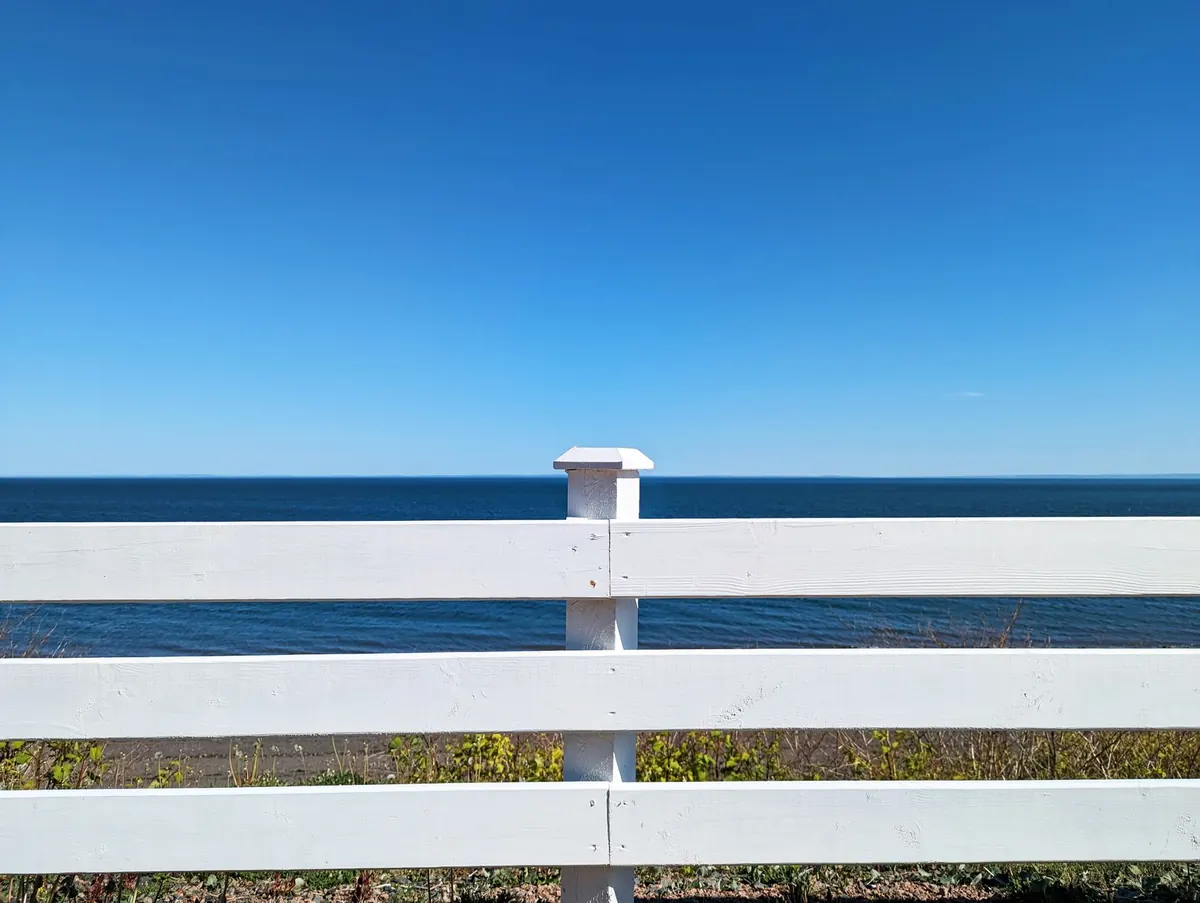
Post-and-rail is exactly what it sounds like: sturdy posts with two or three horizontal rails and nothing in between. It is the standard for paddocks, field boundaries and rural driveways, and it works well in a garden where a hedge, shrub border or bank of planting already does the screening.
It is the cheapest of the four per metre and the quickest to put up. Privacy is effectively zero, and it will not hold in a determined dog unless you add stock mesh or weldmesh. On the plus side it shrugs off wind, copes with uneven ground and looks better than it has any right to once it has weathered to a soft grey.
Privacy, cost and upkeep at a glance
- Closeboard — highest privacy, highest timber cost, moderate upkeep, best for back and side boundaries.
- Palisade — low to moderate privacy, mid-range cost, low upkeep if pressure-treated, best for exposed boundaries and frontages where you want to see out.
- Picket — low privacy, mid-range cost, higher upkeep if painted, best for front gardens and low boundary definition.
- Post-and-rail — almost no privacy, lowest cost, low upkeep, best for rural plots, paddocks and anywhere planting does the screening.
Treat those cost bands as relative rather than fixed. Timber prices swing about, and labour rates vary more between regions than most people expect.
What actually drives the price
Fencing is rarely quoted on panels alone. A sensible quote covers the whole run, so ask what is included before you compare figures:
- Posts — concrete or timber, set in concrete or driven with a post driver
- Gravel boards, which keep the bottom of the fence out of the wet
- Panels, loose boards, rails and galvanised fixings
- Labour, including digging out old post bases
- Removal and disposal of the fence that was there before
- Timber treatment, and any gate, latch or hinge work
Concrete posts cost more up front but tend to outlast timber ones, particularly where the ground stays damp. If your budget is tight, spend it on posts and gravel boards rather than on a fancier panel — those are the parts that decide how long the whole run lasts.
Before you order anything
Measure the run properly, including any corners and gates, and decide the height before you buy. In England, the general permitted development limit is two metres, dropping to one metre for a boundary next to a highway. Scotland, Wales and Northern Ireland have their own rules, and conservation areas, listed buildings and some newer estates carry extra conditions. Check with your local planning authority before you dig; a two-minute look at the council website is cheaper than taking a fence down again.
Boundary ownership is worth settling too. Your deeds or the Land Registry title usually show who owns and maintains which fence, and a friendly word with the neighbour now saves an awkward one later. If there is a genuine dispute, take proper legal advice rather than guessing from the position of the posts.
Finally, get three quotes, agree in writing what is included, and think about access — a contractor needs room to work, and a gate needs space to swing. If the site is exposed, ask about leaving a small gap under the panels or adding a trellis topper to let wind through. It is a small detail that makes the difference between a fence that stands for fifteen years and one that leans after the first February storm.
Photo: Jaymantri / Pexels